
Reflex Tap Challenge
What players say
Reflex Tap Challenge delivers exactly what its name suggests: a test of reaction speed and concentration. The four modes—Classic, Arcade, Zen, and Rush—offer meaningful pacing differences, from steady to intense, while variations like moving tiles and time limits add depth. The family-friendly design and simple tap controls make it accessible, though the one-tap-fail rule may frustrate players who prefer gradual difficulty curves. Best suited for short, focused sessions.
About
The Core Tap Rule
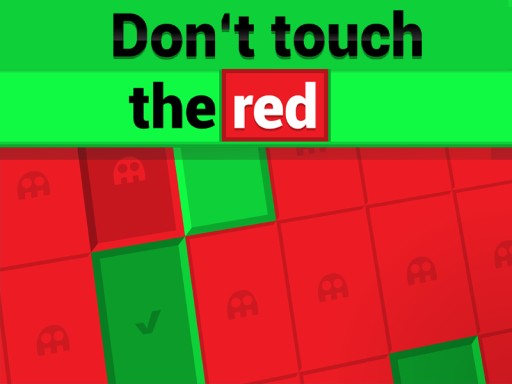
Reflex Tap Challenge is built on a single rule: tap green tiles, avoid red ones. Each green tile tapped adds to your score, while a single red tile ends the run immediately. This creates a constant tension between speed and accuracy, since rushing to hit every green tile increases the risk of accidentally touching a red one. The game's clean design keeps the focus on reaction time rather than visual clutter.
Four Modes, Four Paces
Classic mode presents tiles at a steady rhythm, making it a good starting point for learning the pattern. Arcade mode raises the speed, demanding quicker reactions. Zen mode slows things down for a more relaxed session. Rush mode pushes reflexes hardest with fast-paced action. Each mode also includes variations such as moving tiles or limited time, which change how you track and tap targets. Choosing a mode depends on whether you want to warm up, test your limits, or play without pressure.
Staying Focused Under Pressure
Because red tiles end the run, panic is the main enemy in faster modes. Focusing on the screen and anticipating where the next green tile will appear helps maintain accuracy. Regular practice sharpens reflexes and improves score over time. Trying each mode reveals which pace suits your play style, and the differences between modes mean the same core mechanic can feel entirely different depending on the variation in play.
Compatibility
FAQ
Comments
Sign in to comment
You must be logged in before posting a review or rating.
No comments yet. Be the first to comment!







Editorial Notes