
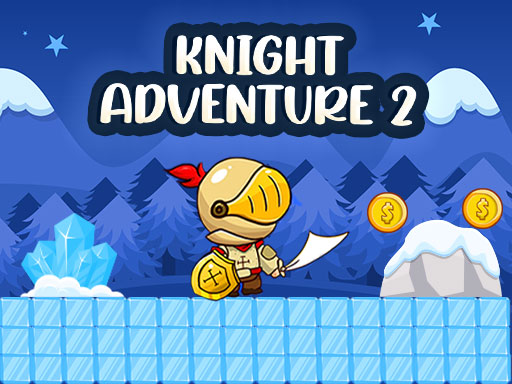
Knight Adventure 2: Puzzle Quest
What players say
Knight Adventure 2: Puzzle Quest succeeds as a family-friendly puzzle game because it keeps its rules simple and its difficulty curve honest. The knight moves with basic keyboard controls, and every stage asks you to read the layout before acting. Coins and power-ups add optional risk-reward decisions without becoming mandatory. The hand-drawn visuals are bright and readable, which helps younger players identify hazards. The main limitation is that the input does not describe multiplayer or online features, so it appears to be a single-player experience. Best for players who enjoy thoughtful, timing-based puzzles rather than fast action.
About
Rescue Mission Structure
Each stage in Knight Adventure 2: Puzzle Quest is a self-contained puzzle with a single goal: guide the knight from the start to the exit. Coins and power-ups sit along the route, but collecting them is optional—reaching the exit is what unlocks the next level. The princess rescue framing gives every stage a clear purpose, and the level-by-level structure means you can stop after any completed puzzle without losing progress. [IMG_1]
Movement and Timing Decisions
You control the knight with simple keyboard inputs—arrow keys to move left or right and a jump action to cross gaps or avoid hazards. The challenge comes from deciding when to jump, which route to take, and whether a power-up is worth the risk of a detour. Rushing usually leads to mistakes, so the game rewards observation before action. Later puzzles demand more precise timing and longer sequences of correct decisions.
Visual Style and Accessibility
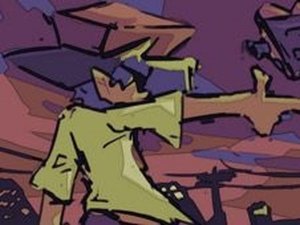
The hand-drawn worlds use bright, cheerful colors that make obstacles and collectibles easy to distinguish. There are no violent or inappropriate themes, which keeps the experience suitable for younger players and anyone looking for a relaxed but stimulating puzzle game. The art style also supports readability: platforms, gaps, and items stand out clearly against the background. [IMG_2]
Difficulty Curve and Replay
Early levels teach the basic jump and collection loop with generous spacing. As you advance, obstacle layouts become tighter and require more careful planning. If a puzzle stalls your progress, revisiting earlier stages can sharpen your timing before you try again. The difficulty is designed to be challenging but fair, so success feels earned rather than lucky.
Compatibility
FAQ
Comments
Sign in to comment
You must be logged in before posting a review or rating.
No comments yet. Be the first to comment!


Editorial Notes