
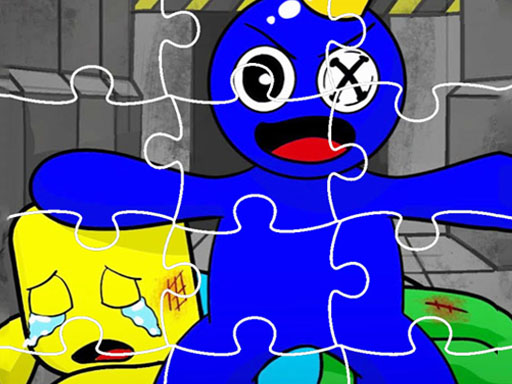
Rainbow Friend Jigsaw Puzzle
What players say
Rainbow Friend Jigsaw Puzzle targets the youngest players with a clear promise: pick a cartoon image, drag pieces into place, and finish the picture without timers or scores. The HTML5 build runs on desktop and mobile, and the controls are forgiving enough for small hands. Its main limitation is a lack of adjustable difficulty, so older children may outgrow it quickly. For its intended audience, the calm pace and offline play make it a practical choice.
About
What Players Actually Do
Each session begins on a selection screen showing several cartoon pictures. After choosing one, the image breaks into scattered pieces that sit beside an empty board. Using a mouse or a finger, the player drags a piece toward its matching spot. Pieces move freely and only lock when the position is correct. As more pieces settle, the picture becomes recognizable, giving clear visual feedback that helps young players judge their own progress.
Why the Pace Matters
There are no timers, scores, or penalties. A child can stare at a single piece for as long as they like, move it around, and change their mind without any consequence. This removes the pressure that often makes early puzzle games frustrating. The design assumes that the main goal is completion and pattern recognition, not speed. That makes the game suitable for short sessions or for quiet, extended play.
Controls and Compatibility
The drag-and-drop system is built for small hands. Pieces respond to a simple press-and-move action rather than precise clicking. The game runs on HTML5, so it works in a desktop browser and on mobile devices without installing anything. Once the page has loaded, no ads or external links interrupt play, and the puzzle can be completed offline. [IMG_1]
What to Expect from the Puzzles
The available images all use bright, colorful Rainbow Friend cartoon characters. Each puzzle presents the same core task: match shapes and colors to rebuild a scene. Because the game does not specify a fixed number of puzzles or difficulty settings, the variety comes from the pictures themselves. Children who enjoy calm, visual tasks are the most likely audience.
Compatibility
FAQ
Comments
Sign in to comment
You must be logged in before posting a review or rating.
No comments yet. Be the first to comment!






Editorial Notes