
Number Grid 4-in-1 Puzzle
What players say
Number Grid 4-in-1 Puzzle delivers four distinct number placement modes in a single HTML5 package. The classic 9x9 format is the most approachable, while diagonal and color modes add constraints that change how players scan the grid. Digital mode offers a modern twist. The hint system and point-based progression make it accessible for younger players, though the age 3 rating may overstate how independently a preschooler can solve the harder variations. Best suited to casual logic fans who want variety without installing an app.
About
Four Modes, Four Rule Sets
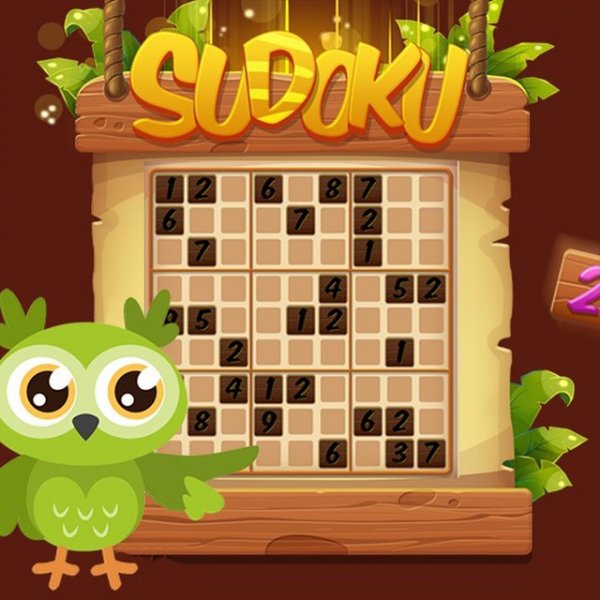
Number Grid 4-in-1 Puzzle bundles four logic-based number placement challenges into one HTML5 package. The classic mode uses a 9x9 grid split into nine 3x3 squares, where every row, column, and square must contain the digits 1 through 9 exactly once. Diagonal mode adds a second constraint: both main diagonals must also hold each number once. Color mode introduces colored sections that act as additional placement regions. Digital mode presents a modern variation on the standard format, though the core objective remains the same across all four.
How a Turn Works
Players interact with the grid using a mouse on desktop or a touch screen on mobile devices. The puzzle begins with some numbers already placed. The task is to fill every remaining empty cell with the correct digit. As players place numbers correctly, they earn points and bonuses that help unlock or progress toward harder levels. A hint feature is available when a player gets stuck, providing guidance without solving the entire puzzle.
Designed for Accessibility
Developed by Filgame and released in June 2023, Number Grid 4-in-1 Puzzle runs in a browser on personal computers, mobile phones, and tablets. It supports full screen display and carries an age rating of 3 and up. That rating reflects the game's family-safe design and educational focus, making it suitable for households with young children. The four modes provide variety and replayability, encouraging players to explore different approaches to logical problem-solving.
Approaching the Harder Modes
Starting with classic mode helps players internalize the basic rule before tackling diagonal or color variations. Rows, columns, or squares that already contain many numbers are easier to complete and often reveal placements elsewhere. The extra constraints in diagonal and color modes can actually narrow down possibilities faster, because fewer numbers fit each cell. Regular practice improves both speed and accuracy, and relying on hints sparingly builds independent problem-solving skills.
Compatibility
FAQ
Comments
Sign in to comment
You must be logged in before posting a review or rating.
No comments yet. Be the first to comment!







Editorial Notes