
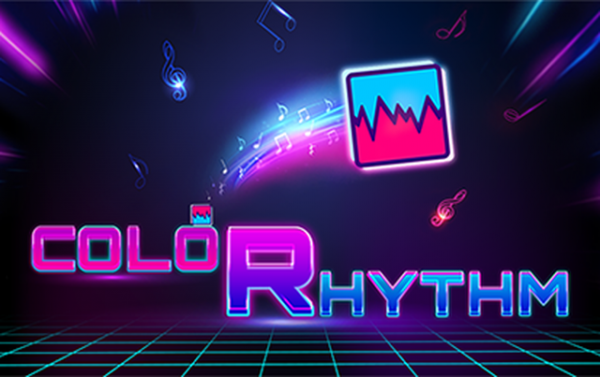
Rhythm Color Dash
What players say
Rhythm Color Dash keeps its input simple but demands real coordination: the cube's color must match each platform, and platforms shift in time with the music. That dual cue system rewards players who listen as much as they watch. Five stages with distinct tempos give the difficulty room to grow without changing the core rule. It suits players who enjoy music-driven challenges and want to sharpen their timing. The main limitation is that the input does not confirm a detailed scoring system or extra modes beyond the five stages.
About
Core Color-Matching Mechanic
The cube moves forward only when you press a single button. Each platform it lands on flashes a color timed to the soundtrack. If the cube's current color matches the platform, the run continues; if not, the streak stops. This creates a constant two-channel demand: your eyes track the platform color, while your ears track the beat that tells you when the next change arrives.
Five Stages, Rising Tempo
The game is split into five stages. Each stage has its own tempo and color theme, so the visual rhythm feels different from one section to the next. Early stages move slowly enough to learn the pattern of color shifts. Later stages speed up the music and shorten the gap between color changes, which forces you to rely on anticipation rather than reaction. The difficulty curve is steady rather than sudden.
Audio-Visual Synchronization
Platform colors are not random; they change in sync with the beat. The soundtrack is built from energetic tracks that drive the pace, and the visual flashes line up with the audio. That pairing means you can often predict a color change by listening before you see it. Players who ignore the music and watch only the screen tend to fall behind once the tempo climbs.
Approach for New Players
Use the first stage to calibrate your timing. Tap on the beat rather than on the visual change, and let the music carry your rhythm. When you miss a color match, pause and re-sync with the tempo instead of rushing the next input. Practicing the slower stages builds the reflex you need for the faster ones. The one-button control keeps the input simple, so the real skill lies in listening and anticipating.
Compatibility
FAQ
Comments
Sign in to comment
You must be logged in before posting a review or rating.
No comments yet. Be the first to comment!








Editorial Notes