

Coral Hexagon Tiles
What players say
Coral Hexagon Tiles targets players who enjoy casual matching puzzles but want a bit more spatial reasoning than a square grid provides. The six-neighbor layout makes every swap worth scanning from multiple angles, and the mix of score targets and obstacle-clearing goals keeps stages varied. Power-ups from four- and five-tile matches give skilled players room to plan chain reactions. The gentle underwater art and soft audio suit short, relaxed sessions. The main limitation is that the underlying match-3 formula will feel familiar to anyone experienced with the genre.
About
Matching on a Hexagonal Grid
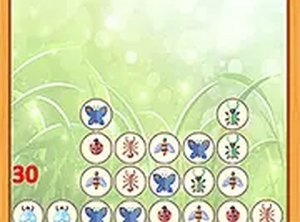
Coral Hexagon Tiles builds its puzzle system around a simple swap: exchange two adjacent tiles on a hexagonal board to line up three or more identical sea animal symbols. When a valid line forms, those tiles disappear. The hexagonal layout is the key difference from standard square-grid match-3 games. Because each tile touches six neighbors instead of four, lines can form in more directions, and a single swap can create matches that would not exist on a square board. That extra connectivity rewards players who scan the whole board rather than focusing on one row or column.
Level Goals and Obstacles
Every stage gives a specific objective. Some ask you to reach a target score within a limited number of moves. Others require clearing obstacles such as coral blocks or shells that occupy board spaces. As you progress, board configurations change and new tile types appear, so the same matching rule produces different challenges. Difficulty rises gradually rather than all at once, which keeps early stages approachable while later ones demand more planning about which swaps to make and when.
Special Tiles and Power-Ups
Matching four or more tiles creates special items instead of simply clearing the matched group. For example, a line of five tiles can produce a piece that removes an entire row. These power-ups matter most in harder puzzles where ordinary three-tile matches cannot reach the goal alone. Combining two power-ups can trigger chain reactions that clear large sections of the board at once, so deciding where to build and when to detonate them becomes part of the strategy.
Visual Style and Atmosphere
The game uses bright, colorful graphics showing underwater scenes with coral reefs and friendly sea creatures. The art direction is gentle and inviting, aimed at players of all ages. A calm, melodic soundtrack plays in the background, and match and power-up sounds are soft rather than harsh. Together, these choices give the experience a relaxed tone that fits short, low-pressure play sessions.
Compatibility
FAQ
Comments
Sign in to comment
You must be logged in before posting a review or rating.
No comments yet. Be the first to comment!




Editorial Notes