
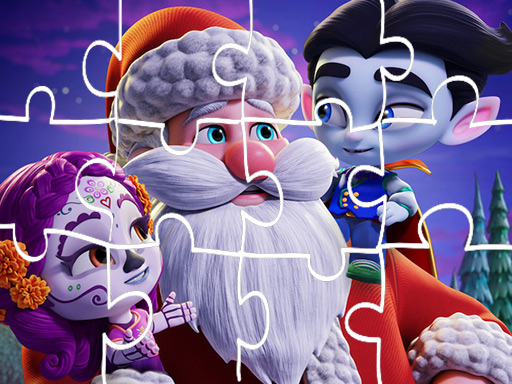
Christmas Jigsaw Puzzle Fun
What players say
Christmas Jigsaw Puzzle Fun is a straightforward puzzle game aimed at families and casual players who want a seasonal activity. Its strengths lie in accessible controls, multiple difficulty levels, and a warm Christmas atmosphere with cheerful music. Completing puzzles unlocks new scenes, providing light progression. The main limitation is a lack of detailed information about puzzle count, platform availability, and whether any advanced features exist. It is best suited for those seeking a relaxed, non-competitive holiday-themed pastime.
About
Assembling Holiday Moments
Christmas Jigsaw Puzzle Fun centers on completing jigsaw puzzles that depict cheerful Christmas scenes. The setting is Christmas Eve, and each image shows characters decorating and preparing for the celebration. Snowy landscapes, colorful ornaments, and cozy interiors make up the visual content. The goal is simple: place every piece correctly to finish the picture. There is no timer or score pressure, so the pace is entirely up to the player.
Drag, Drop, and Progress
Playing involves dragging puzzle pieces from a tray or scattered area onto the main board. Pieces snap into place when they match the correct spot. The game includes multiple difficulty levels, which likely change the number of pieces or the complexity of the image. Completing a puzzle unlocks a new festive scene, giving a clear sense of progression. The controls are designed to be responsive and accessible for both children and adults.
Atmosphere and Audience
Cheerful holiday music plays throughout, and the graphics use warm, inviting colors. These elements support a relaxed mood rather than a competitive one. Because the mechanics are straightforward and the theme is universal, the game suits families, casual players, and anyone looking for a seasonal activity. The absence of time limits or fail states means players can stop and resume without penalty.
Practical Advice for New Players
Starting with the easiest difficulty helps you get used to how pieces move and where they belong. Edge pieces are usually the best starting point because they form the puzzle's frame. After that, grouping pieces by distinct colors or patterns can make the middle sections less overwhelming. If you get stuck, taking a short break often makes it easier to spot connections. Adjusting the difficulty to your comfort level keeps the experience enjoyable rather than frustrating.
Compatibility
FAQ
Comments
Sign in to comment
You must be logged in before posting a review or rating.
No comments yet. Be the first to comment!

Editorial Notes