
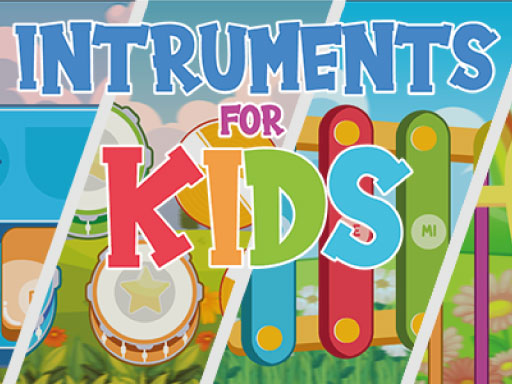
Little Music Makers
What players say
Little Music Makers does one thing and does it without clutter: tap an icon, hear an instrument. The lack of scores, timers, and levels is a design choice that suits toddlers who are not ready for structured challenges. Bright colors and large icons reduce frustration, and the absence of ads or purchases makes it easy for parents to hand over a device. Its main limitation is also its strength: children who want progression or variety will outgrow it quickly, but for early auditory exposure it stays focused.
About
What Children Actually Do
There is no goal to reach and no wrong move to make. A child sees a set of instrument icons on screen, taps one, and immediately hears that instrument's tone. The interaction is limited to that single action, which is exactly what makes it work for very young players. No reading, no menus, no instructions to follow. The cause-and-effect loop is instant and repeatable, so a toddler can tap the same icon a dozen times without the game pushing back or moving on.
Why the Design Suits Early Learners
Bright colors and large icons reduce the precision a small finger needs. The absence of scores, timers, and levels removes the pressure that usually comes with games, leaving room for open-ended exploration. Because the same sound plays every time an icon is tapped, children begin to connect a visual symbol with a specific tone through repetition. That connection is the foundation of sound recognition, and the game is built around making it happen naturally rather than through drills.
Where It Runs and What It Costs
The game works on computers, tablets, and smartphones, so the same experience is available at home or while traveling. There are no ads, no in-app purchases, and no inappropriate content. That combination matters for parents who want a digital activity they can hand over without monitoring every tap. The free-to-play model with no monetization also means there is no incentive to interrupt play with prompts or upsells.
Getting More Out of Playtime
Repetition is the main learning tool here, so letting a child return to the same instrument sound several times is more useful than rushing through every icon. A parent sitting nearby can name each instrument as it plays, which turns a simple tap into a vocabulary moment. Since nothing is timed or scored, children set their own pace, and the session can last as long as their attention does.
Compatibility
FAQ
Comments
Sign in to comment
You must be logged in before posting a review or rating.
No comments yet. Be the first to comment!





Editorial Notes