
Little Hippo Care
What players say
Little Hippo Care targets very young players with a calm, ad-free environment. Its strength is accessibility: visual cues replace text, and caregiving tasks like bathing and feeding are easy to understand. The accessory customization adds a creative touch. Parents looking for a non-competitive, safe game for preschoolers will find it fits that need, though older kids may want more challenge.
About
What Little Hippo Care Is
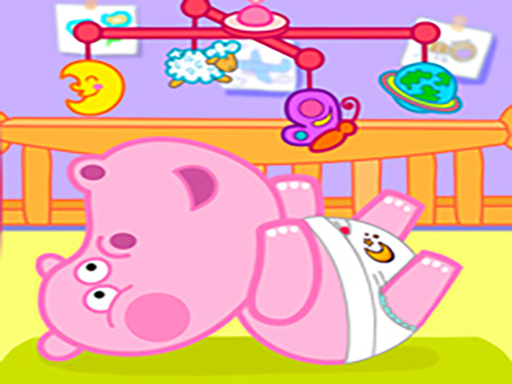
Little Hippo Care is an online game built for young children who enjoy animals. Players take the role of a mother hippo looking after a playful baby hippo. The goal is not to win or score points but to complete everyday caregiving routines. Bright graphics and soft animations keep the tone calm and family-friendly, and the game is designed to introduce ideas of empathy and responsibility through simple, positive interaction.
How Children Interact
From a main menu, players choose an activity such as bathing, feeding, or playing. Using a mouse or touch screen, they drag items like soap, water, or healthy snacks to the correct spot on the baby hippo. During playtime, kids can pick toys from a toy box and watch the hippo react happily. Every action is guided by visual cues, so no reading is required. The controls are simple enough for very young children to use without help after a short introduction.
Activities and Creative Options
The game includes several caregiving tasks: giving baths, preparing meals, and playing with toys. Children can also design accessories such as hats or bows for the baby hippo, which adds a creative element beyond routine care. Each completed action triggers cheerful sounds and animations, providing positive reinforcement. The interface is family-friendly, with no violence and no ads, keeping the experience safe for its intended audience.
Playing at a Comfortable Pace
Little Hippo Care is designed to be stress-free. There are no timers or failure states mentioned, so children can try each activity multiple times and experiment with different toys and accessories. Adults can help by pointing out the visual cues at first, especially for children who are not yet reading. Letting kids explore at their own pace supports the game's goal of rewarding patience and curiosity rather than speed or competition.
Compatibility
FAQ
Comments
Sign in to comment
You must be logged in before posting a review or rating.
No comments yet. Be the first to comment!



Editorial Notes