
Numbered Treats: A Merge Puzzle Game
What players say
Numbered Treats focuses on the simple satisfaction of combining matching tiles into higher numbers. Its bakery visuals and minimal sound design create a low-pressure atmosphere, while the lack of a timer lets players think through each placement. The main challenge is spatial: as the board fills, you must plan merge order to avoid blocking future combinations. Early rounds ease you in, and later rounds add denser boards without sudden spikes. It is best suited to players who enjoy casual, thoughtful puzzles rather than fast-paced action. Replayable rounds add some longevity, though the core loop remains straightforward.
About
The Core Merge Loop
Numbered Treats is built around a single, clear action: find two tiles showing the same number and bring them together. When a pair merges, a new tile with a higher number takes their place. That new tile can then be merged with another of its kind, creating a chain of combinations. The board starts with only a few tiles, but each merge introduces new numbers, so placement matters from the first move. There is no timer, so every decision can be made at a comfortable pace.
Bakery Theme and Visual Calm
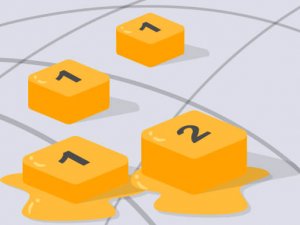
The game uses a cheerful bakery motif. Tiles are colorful, rounded cakes, and each number is printed clearly on the tile face, which makes matches easy to spot at a glance. Soft pastel background colors keep the screen from feeling busy, and the sound design stays minimal, with a gentle chime marking each successful merge. This combination supports short sessions as well as longer play without causing visual fatigue.
Managing Board Space
As merges accumulate, the board fills up, and running out of room becomes the main challenge. Thinking ahead helps: merging lower-numbered tiles first can stop them from blocking higher-value combinations later. Players naturally develop their own methods, such as keeping similar numbers near each other or clearing the edges before working toward the center. This spatial reasoning adds depth without introducing stress.
Progression and Replay
Early rounds present fewer tiles and simpler combinations, giving new players room to learn the merge rule. Later rounds bring denser boards and higher numbers, which demand more careful placement. The difficulty rises gently rather than spiking suddenly. Because rounds can be replayed, players can try to improve their scores or experiment with different board-management approaches.
✅ Compatibility & Testing
FAQ
Comments
Sign in to comment
You must be logged in before posting a review or rating.
No comments yet. Be the first to comment!



Editorial Notes